
The Cup & Communion Wine
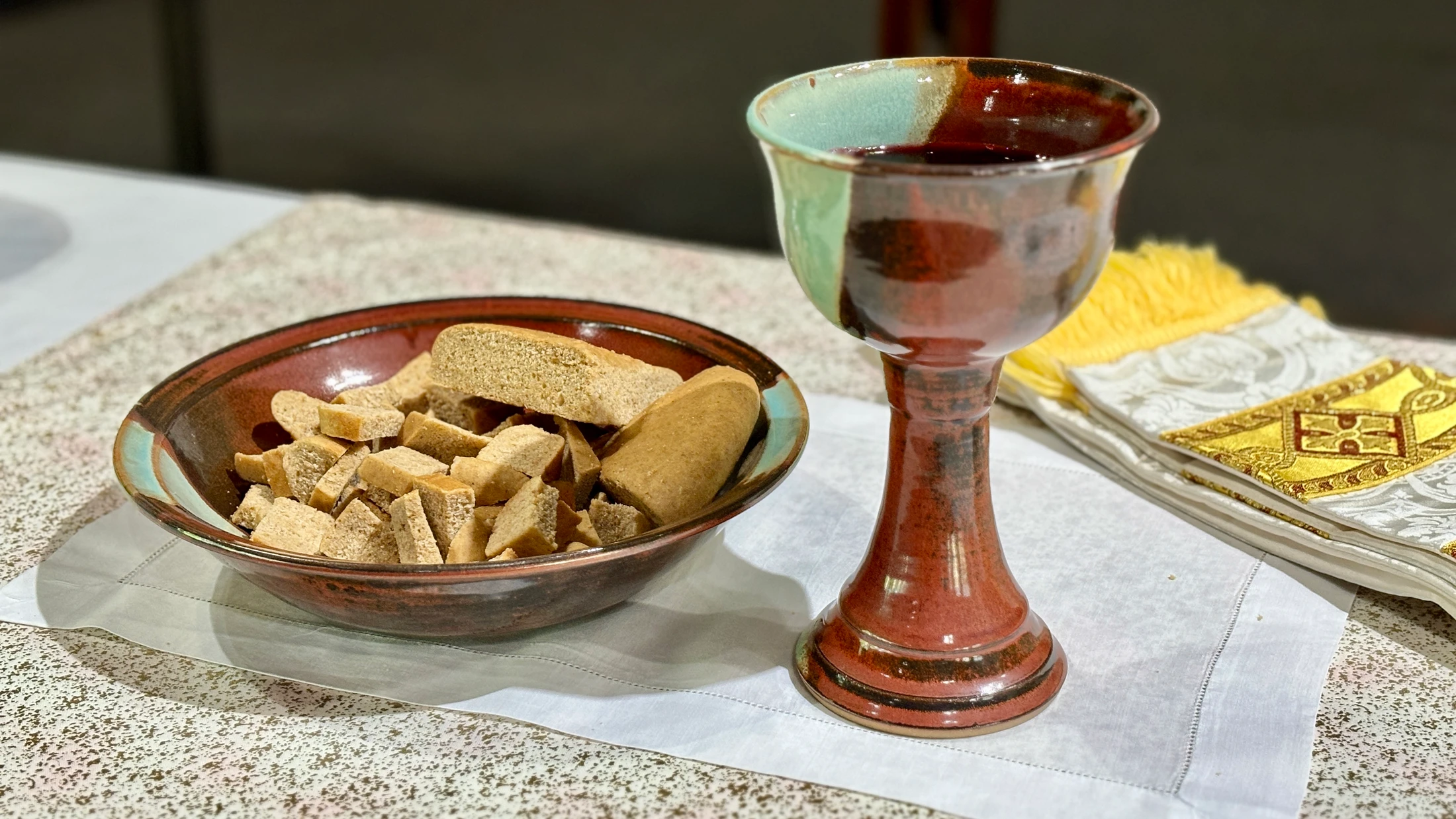
"Then he took a cup, and when he had given thanks, he gave it to them, saying, 'Drink from it, all of you. This is my blood of the new covenant, which is poured out for many for the forgiveness of sins.” (Matthew 26.27-28)
As of December 2025, we are deciding to use wine for Communion as opposed to another substitute. Scripture and historical practice support this, as do practical health concerns.
__largepreview__.webp)
At The Vine, we will always seek to understand God’s Word with the clarity and nuance in which God gives it to us. Its powerful and authoritative message of rescue is our guide.
As a student of the Bible, I’ve found it curious that the Bible specifically mentions wine as an expression of celebration and joy (see Deuteronomy 14.26 and John 2) as well as warning about over-indulgence (see Ephesians 5). For all the powerful clarity Scripture gives us, I find it draws us into more tensions than it resolves. This tension runs right through the practice of using wine at Communion.
SCRIPTURE
In (very) brief, wine was a staple in the ancient world because of the lack of safe drinking water. The same color as blood, wine was an image of life itself. It was also an image of covenant blessing when God’s people were faithful, and of its lack when they were not (see Deuteronomy 28.39). Additionally, the Old Testament depicts a “cup” of God’s anger when anyone is choosing to do evil and practice injustice toward those around them. Wine either represented joy and celebration or the frothy foam of human arrogance and divine vengeance.
Both of these connotations— darkness and joy— are present when Jesus “took the cup” at the Last Supper. He drinks the cup of anger for us (see John 18.11), and offers the cup of blessing to us (see Psalm 23). In the Communion cup of wine, we viscerally connect with the sweetness and the bitterness of Jesus’ love for us again if we will only receive him.
HISTORY/TRADITION
Throughout history, the vast majority of Christians have used wine for Communion. Using grape juice as a substitute began as part of the 19th century temperance movement (ie. banning alcohol).
Though temperance is no longer a legal requirement, abstinence from alcohol in certain situations is wise. However, historically speaking, abstinence from wine does not diminish the spiritual benefits of receiving Communion: the spiritual power of Communion is fully received even if one receives only the bread or only the wine (even just a crumb!).
When I hand you a smaller piece of Communion bread, you experience no less connection with Jesus than the person who had a larger piece — and when I’ve given you a piece that you seem to have to chew for 2.5 hours you’ve gotten no more. This is called receiving Communion “in one kind,” which all are welcome to do on any given Sunday.
HEALTH
Wine will be introduced alongside the option to sip from our two main chalices instead of dipping (“intincting”) our bread in it. This might seem less sanitary, especially with newly heightened awareness of viral spread. But this is practically more sanitary. Less fingers moving into the chalice, along with the germ-killing properties of alcohol in the beverage, mean less chance of sickness. One microbiologist quotes in this LA Times article says: “People who sip from the Communion cup don’t get sick more often than anyone else.”
If you would still prefer to dip rather than sip from the cup, you are still welcome to do so. If you choose to abstain from the cup altogether, you are still receiving Communion in the bread. If you still want to share the cup but are unable to take alcohol or receive gluten, read on:
YOU
Practically, very little will look different about our Communion liturgy. We will have two main chalices, both with wine (a tawny port) cut with water (representing the water and blood from Jesus’ side), and blessed. We will also have a plate on the Table for those who are gluten free, and that cup will contain grape juice. If you want or need this option, we invite you to ask for it by saying the catch-all phrase “gluten free.”
We have been very concerned to think through this well, both theologically and pastorally. Some of you have talked with me or Vestry members about your questions, which has been very helpful. Please do not hesitate to continue doing so. We are on a journey together as we take up these ancient practices of our faith. As we come to the Table this Sunday and every Sunday, let us continue to bring our questions, concerns, hopes, and expectation that however we come, Jesus longs to meet us— today in the elements, by the Spirit, and one day face to face.